See Explanation
[ "https://i.postimg.cc/50GrbRbR/case-109041-image-1-conjunctivitis2.jpg" ]
Pediatrics
infectious disease
neonatal conjunctivitis
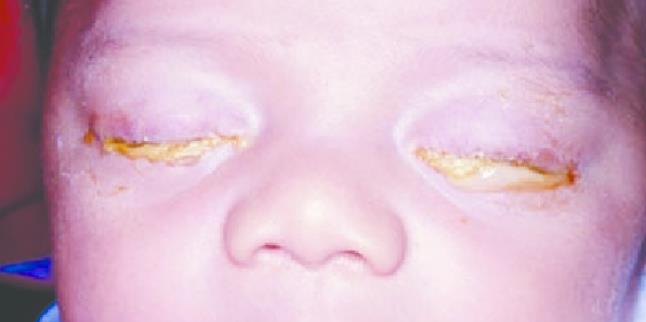
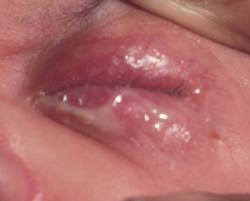
A 4-day-old male infant is brought to the pediatric emergency department by his parents due to worsening eye symptoms. He was born at term following an uncomplicated vaginal delivery. For the past 24 hours, he has developed progressive bilateral eyelid swelling and marked erythema of the conjunctiva. This morning, his parents noted copious amounts of thick, yellowish-green purulent discharge from both eyes, making it difficult for him to open them. He has been feeding less frequently and seems more irritable than usual, though he has no fever. The mother has no known history of sexually transmitted infections (STIs), and prenatal care was routine. The patient's rectal temperature is 37.8°C, blood pressure is 75/45 mmHg, pulse is 148/min, and respirations are 40/min with an oxygen saturation of 97% on room air. Examination reveals significant periorbital edema, chemosis, and copious mucopurulent discharge bilaterally. The globes appear intact. The rest of his physical exam is unremarkable. Given this presentation, what is the most likely diagnosis and the immediate recommended therapeutic intervention?
| Lab Parameter | Value | Reference Range |
|---|---|---|
| White Blood Cell Count | 18.5 x 10^9/L | 9.0-30.0 x 10^9/L |
| C-Reactive Protein | 15 mg/L | <10 mg/L |
| Gram Stain of ocular discharge | Gram-negative intracellular diplococci | No organisms seen |
Edit question